
BESIDES CONVENTIONAL HOLIDAYS
Buddhika Hewawasam outlines plans to elevate Sri Lanka’s tourism appeal
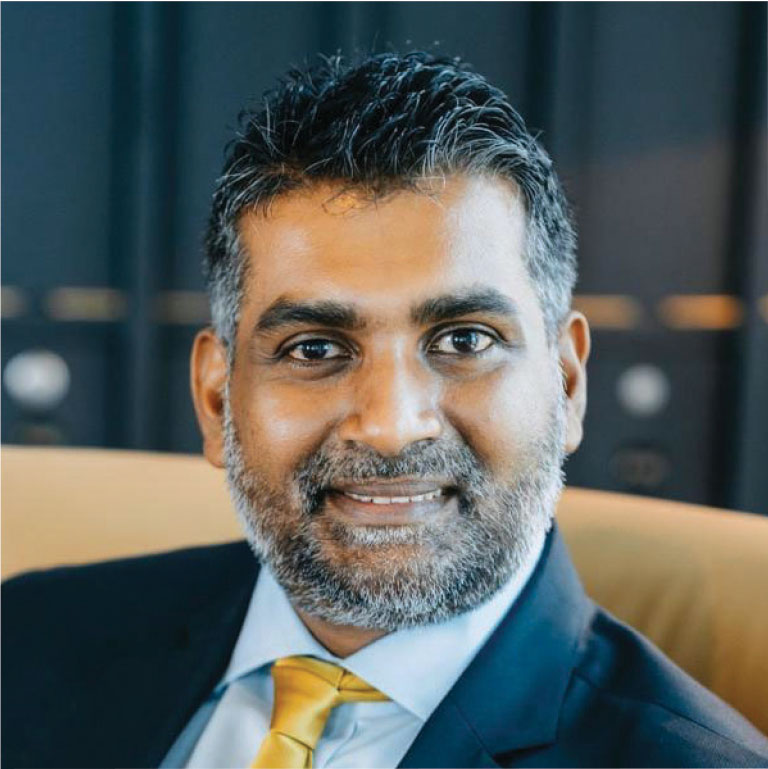
Q: How is Sri Lanka positioning itself within the worldwide tourism landscape as travellers increasingly seek meaningful, high quality experiences over mass-market holidays?
A: To reposition Sri Lanka, we need to diversify our tourism products. Traditionally, Sri Lanka was viewed as a sun, sea and sand destination focussed mainly on Western tourists. However, through our repositioning strategy, we are diversifying the country’s tourism offerings by creating niche products for specialised markets such as weddings, wellness, adventure and ecotourism.
At the same time, we are opening up more destinations across the country while aligning our marketing efforts with these product development initiatives. Through this approach, we aim to showcase higher quality experiences rather than generic mass-market tourism solutions. This effort has continued over the last two years, supported by specialised promotional and marketing communication efforts to drive this transformation.

Q: What opportunities do you see for Sri Lanka to compete with established premium destinations?
A: One key opportunity lies in the compactness and diversity of our tourism offering – which many competing destinations do not have. This enables us to create more fulfilling tourism experiences within a shorter time period.
We also offer several advantages that differentiate us from competing destinations including rich cultural heritage, legendary hospitality, island appeal, strong potential for marine tourism, rich biodiversity and high quality human resources. Together, these factors provide Sri Lanka with a strong competitive edge.
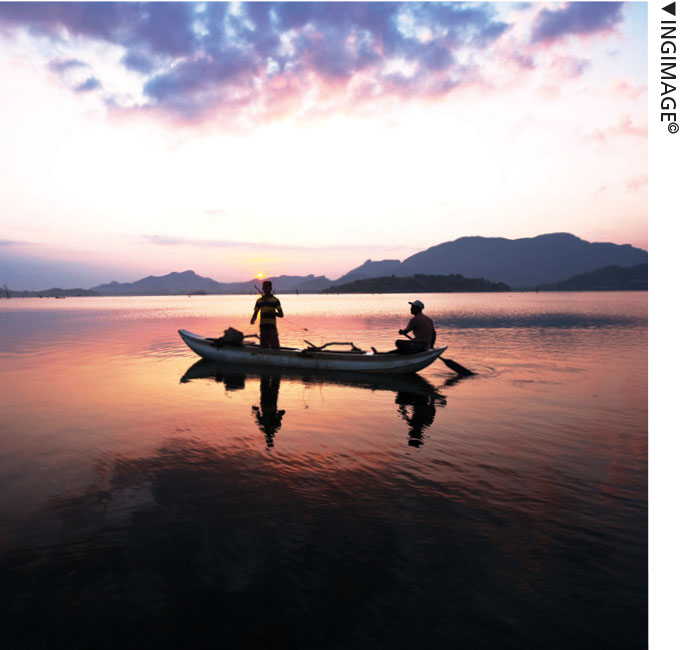
Q: Many international travellers still associate Sri Lanka primarily with beaches. How is that perception being broadened to include culture, wellness, wildlife, cuisine and adventure?
A: While Sri Lanka’s beaches remain a key attraction, we are actively repositioning the country as a multidimensional destination. This includes promoting cultural assets such as ancient cities, UNESCO World Heritage Sites and traditional arts; expanding wellness tourism through Ayurveda and holistic retreats; and highlighting our biodiversity through national parks and wildlife experiences.
Culinary tourism is also gaining prominence with increasing focus on authentic Sri Lankan cuisine and local food experiences. In addition, adventure tourism including hiking, surfing and nature based activities, is being actively promoted.
Our marketing campaigns, international partnerships and trade engagement initiatives are all geared towards showcasing this diversity.
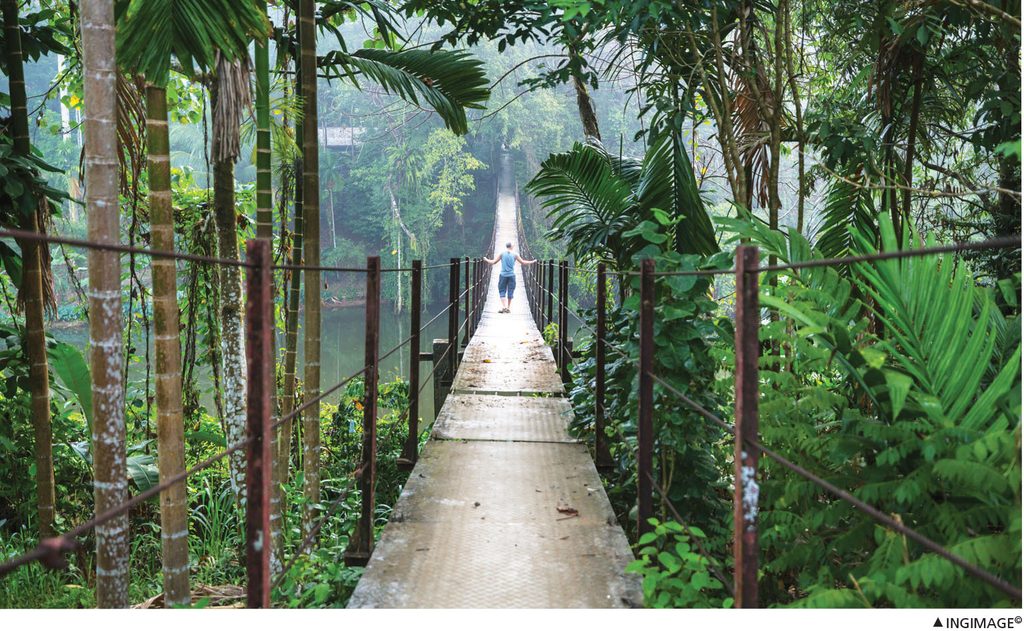
Q: How can Sri Lanka attract travellers who stay longer, travel deeper and contribute more to local economies?
A: Attracting high value travellers requires a shift towards experience driven itineraries that encourage exploration beyond traditional hotspots. By developing destination clusters and promoting lesser known regions, we can distribute the benefits of tourism more evenly. Enhancing connectivity, improving infrastructure and supporting community based tourism initiatives are also critical.
Furthermore, we are focussing on attracting niche segments such as wellness travellers, ecotourists and cultural explorers, who typically stay longer and have higher spending patterns. Policies that improve ease of travel, streamline visa processes and encourage repeat visitation also play an important role in achieving this objective.
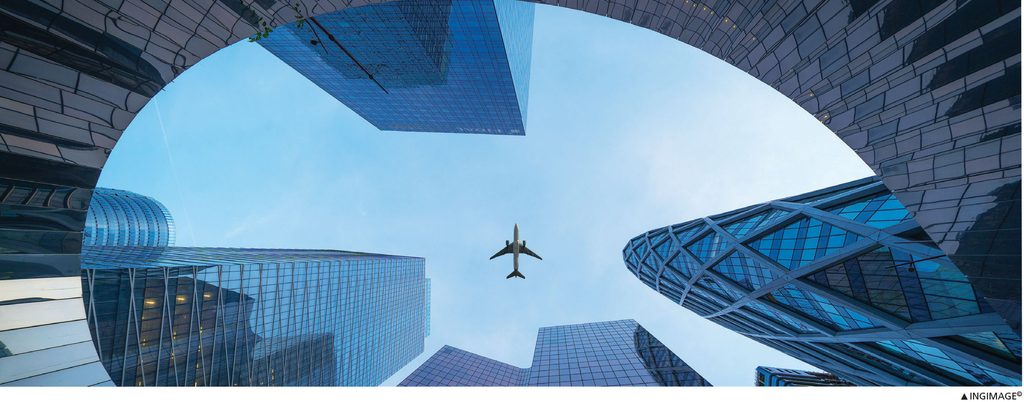
Q: Boutique hotels, wellness resorts and eco-retreats are gaining traction across borders. Is Sri Lanka doing enough to attract investment in these high value segments?
A: Sri Lanka has made encouraging progress in these segments, particularly with the growth of boutique hotels and eco-friendly accommodation. However, there is potential to do more. Creating a more investor friendly environment, streamlining approval processes and offering targeted incentives can further attract investment.
It is also important to ensure that development aligns with sustainability principles, preserving the natural and cultural assets that form the foundation of our tourism appeal. By strengthening policy support and promoting Sri Lanka as a destination for responsible tourism investment, we can accelerate growth in these segments.
To facilitate high quality tourism investments, the Sri Lanka Tourism Development Authority (SLTDA) manages a land bank and an international relations unit to support more effective investment attraction. Last year, around 3,000 acres of tourism related land across the island were released to investors.
Furthermore, Sri Lanka Tourism is working closely with architects, tourism investment experts and recognised investment forums to attract quality tourism investments.
Q: Looking ahead five years, what would success for Sri Lanka’s tourism industry look like from an international perspective?
A: Success for the tourism industry won’t be defined solely by arrival numbers but by the overall value generated and the quality of experiences delivered. From an international perspective, we aim to be recognised as a leading sustainable and experiential tourism destination in Asia. This would include achieving higher average spending per visitor, longer lengths of stay and stronger brand recognition.
Success would also mean a more resilient and diversified tourism industry. Ultimately, it is about creating a tourism model that is economically beneficial, environmentally sustainable and socially inclusive, positioning Sri Lanka as a destination of choice for discerning travellers.
Over the next five years, Sri Lanka aims to attract more than five million tourists and generate over US$ 10 billion in tourism revenue. This target is achievable through market diversification and expansion into broader geographical and specialised tourism segments.
Beyond these quantifiable measures, we are focussed on creating a tourism driven economy by distributing tourism products islandwide, creating greater employment opportunities and minimising the leakage of tourism income. This will be achieved by integrating tourism with other sectors, ensuring wider economic benefits across the country.
