
Imagine how beautiful a violence-free future could be

Q: You were born in Colombo and raised in the US. How has this dual cultural identity shaped your worldview and creative voice?
A: Two of my all-time favourite books are by Sri Lankan authors – viz. Michael Ondaatje’s Running in the Family and Sonali Deraniyagala’s Wave. They have inspired my worldview and creative voice.
Also, I’m proud of my Sri Lankan heritage – I identify as Sri Lankan and Tamil, as much as I do as American. I feel at home when I’m in Sri Lanka, and want others to visit and experience its vast history and stunning landscape.
In recent years, I have been excited to witness a Sri Lanka no longer torn apart by war. While there is still much healing to do, it has been inspiring to see the people of Sri Lanka unite against corruption and work hard to thrive.
Recently, I also became a Sri Lankan citizen again – a manifestation of my faith in and love for the country.
Last year, I met an amazing woman working at a hotel near Anuradhapura who greeted every guest with a big smile. When I asked her how she remained so happy, she answered: “Every day I wake up and say that ‘today is a new day. Life is hard, people are struggling, I must bring the happy.’”
Her words reflect the strength and positivity of the Sri Lankan people and I often remind myself to ‘bring the happy.’
Q: Your books, including ‘The Big Lie: Motherhood, Feminism,’ and the ‘Reality of the Biological Clock’ and ‘Assume Nothing: A Story of Intimate Violence’ tackle deeply personal and complex issues. What drives you to tell such intimate stories?
A: It took me a long time to have confidence in my voice. I focussed on elevating other people’s voices through my work as a documentary filmmaker.
Then, because of painful personal experiences such as infertility, cancer and intimate violence, I felt a sense of purpose that my storytelling could help others.
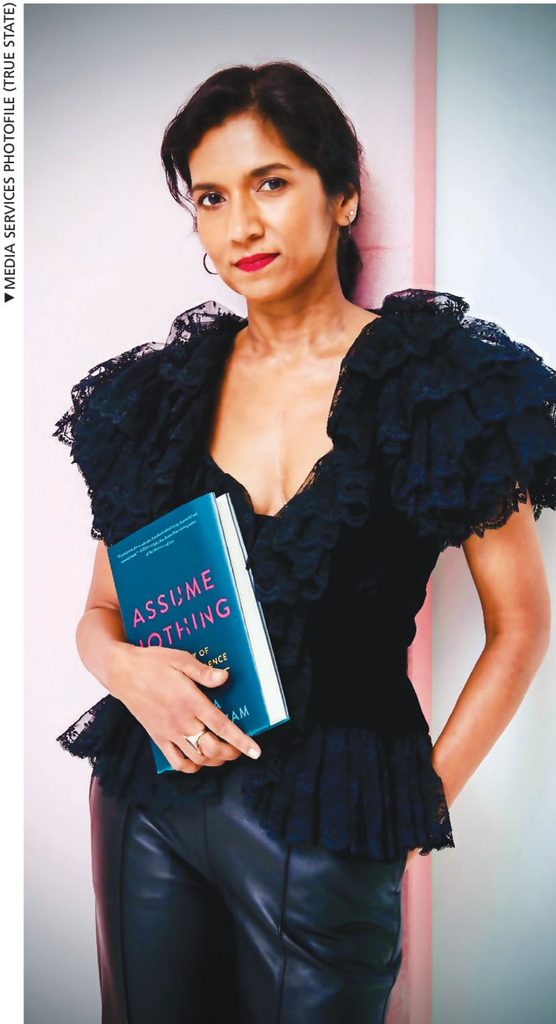
I wrote The Big Lie and Assume Nothing to write my way out of the darkness, and show others in similar situations that they are not alone. I’m grateful when I receive messages from readers saying my books changed their lives – whether by inspiring them to be more proactive about motherhood or leave an abusive partner.
In When Women Were Birds, Terry Tempest Williams cites the poet Muriel Rukeyser: “What would happen if one woman told the truth about her life? The world would split open.”
Q: Do you see storytelling as a form of activism – and if so, how powerful is it compared to policy or grassroots work?
A: My friend Suketu Mehta, author of ‘Maximum City’ and ‘This Land Is Our Land: An Immigrant’s Manifesto,’ once said that “populists tell false stories well. We must tell true stories better.”
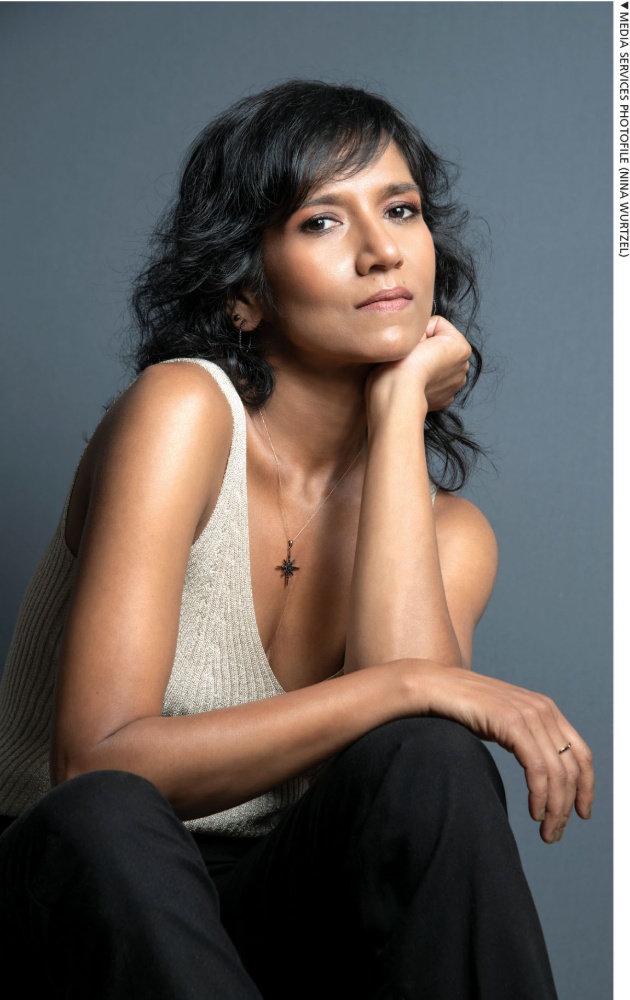
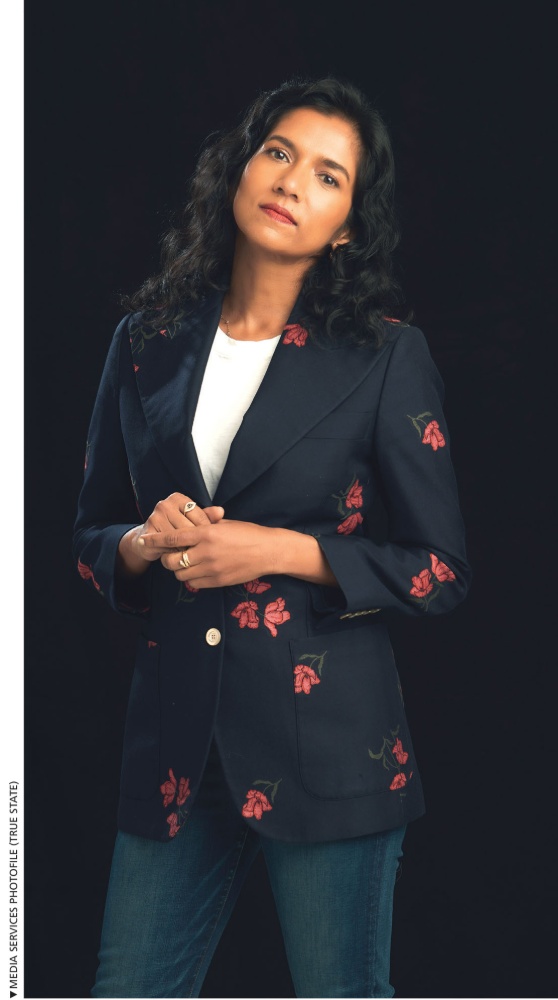
Storytelling is a powerful catalyst for social change and complements policy and grassroots work. Stories reach people on an emotional level, making them feel compelled to act.
Q: Your work often explores feminism, gender justice and power dynamics. What conversations do you feel are still missing?
A: The safety and rights of women continue to be a threat to the political status quo in many countries. Women are made to feel shame for the harm inflicted on them and that must change for the world to evolve.
I think of Gisèle Pelicot – the French woman who waived her anonymity during her rape trial – who said: “Shame must change sides.”
Q: Having worked with organisations such as WHO and feminist movements, what progress have you seen – and where are we falling short?
A: One of my first work experiences was at the Beijing Women’s Conference in 1995, where I was a youth organiser on an NGO Forum steering committee. Since then, there has been progress about the visibility and understanding of what holds societies back, when it comes to advancing equality and freedom.
There has been more space given to survivor storytelling. However, we continue to fall short in accountability and repercussions.
Q: What does meaningful change look like to you in the next decade?
A: Meaningful change would be when peace and kindness are more exciting than violence. We are all born into cycles of violence and many also experience them personally.
I witnessed horrific domestic violence as a child and experienced it as an adult as well. Many are surprised by this but even strong and fierce women can be affected. Ending this cycle is a collective responsibility.
Imagine how beautiful a violence-free future could be.