
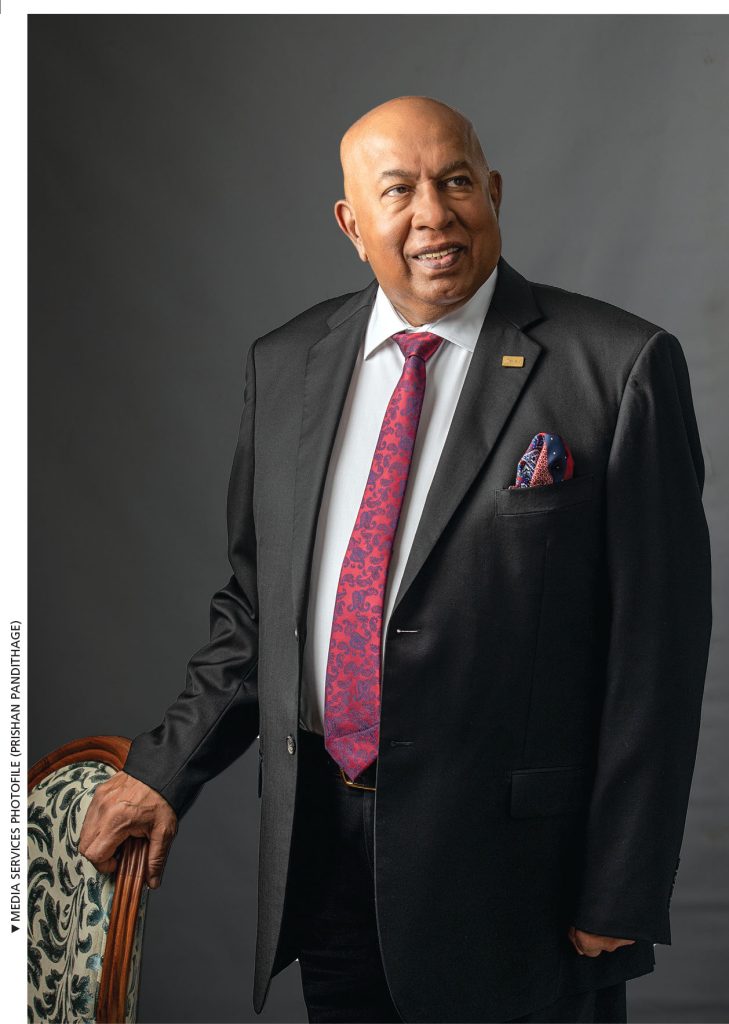
Mohan Pandithage
Pursuing export transformation
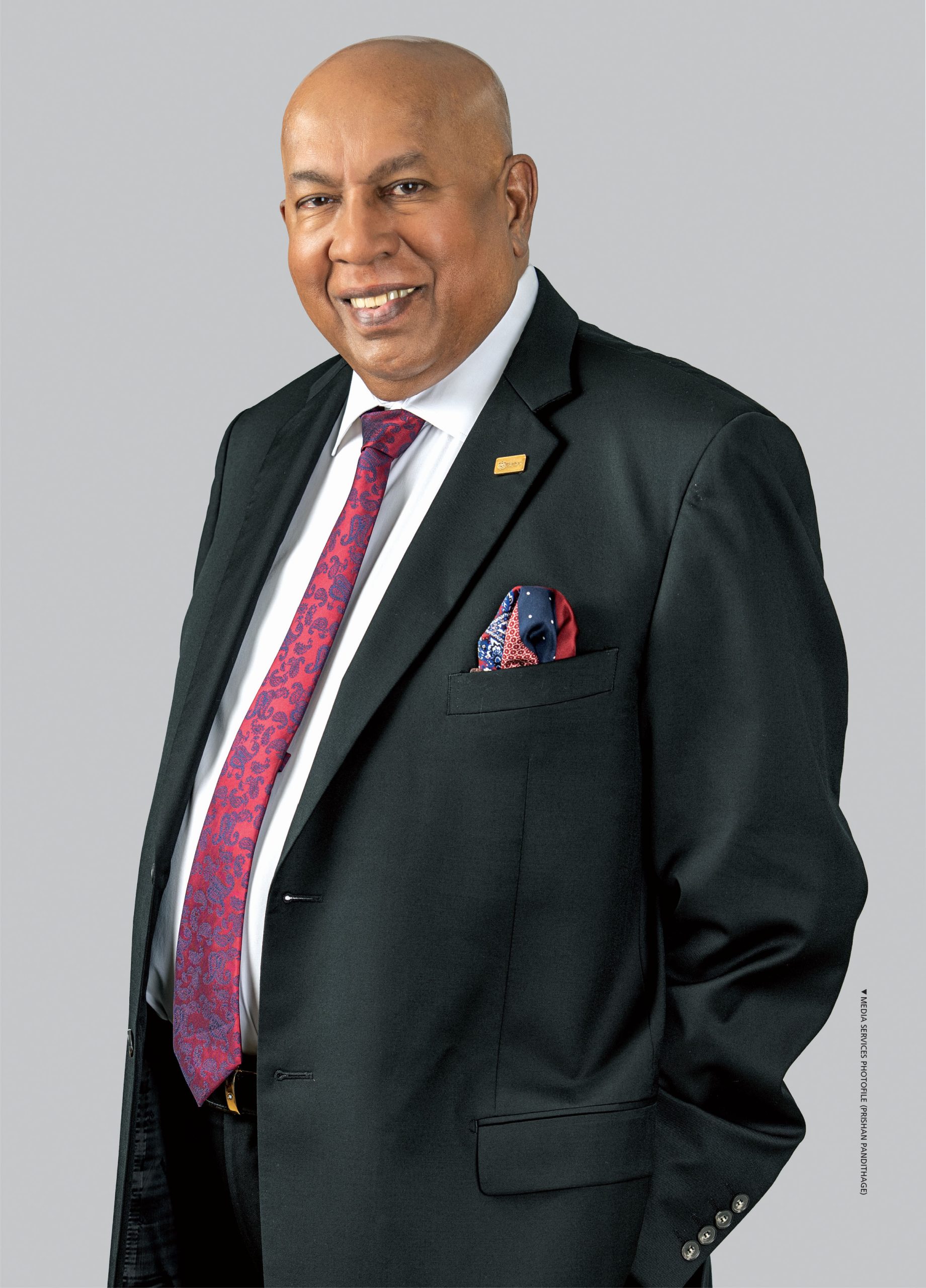
Few corporate journeys in Sri Lanka illustrate the power of perseverance and long-term commitment as clearly as that of Mohan Pandithage. From joining the Hayleys Group as an 18 year old management trainee to eventually lead one of the country’s largest conglomerates, his career represents dedication, passion and discipline.
Pandithage began his professional journey with Hayleys in 1969, embarking on a career that would span more than five decades. Over the years, he steadily progressed through the ranks, gaining deep operational experience across several sectors before being appointed to the board of Hayleys in 1998.
In July 2009, he assumed the role of Chairman and Chief Executive, marking the culmination of a career built on self-motivation, resilience and a relentless work ethic.
Hayleys is one of Sri Lanka’s most diversified multinational conglomerates with operations spanning agriculture, manufacturing, logistics, consumer products, energy, textiles, plantations, leisure and aviation, and a global presence across dozens of markets.
The group contributes in no small measure to the country’s export economy and employs thousands of people, making its leadership both influential and demanding.

Under Pandithage’s stewardship, Hayleys has strengthened its position as a leading Sri Lankan multinational through a strategy focussed on diversification, global expansion and operational excellence.
His leadership philosophy emphasises careful planning, attention to detail and a strong commitment to people – principles that have shaped both his personal journey and the evolution of the group he now leads.
What’s more, Pandithage’s influence extends beyond Hayleys itself.
Over the years, he has held leadership roles across several companies within the group and its affiliated entities, and other key subsidiaries. A fellow member of the Chartered Institute of Logistics and Transport – UK (CILT), Pandithage has also served as Honorary Consul of Mexico to Sri Lanka.
And recently, his impact on Sri Lanka’s business landscape was affirmed when Pandithage was named LMD’s Businessman For The Year 2025, recognising his visionary leadership and lasting contribution to the nation’s corporate sector.
Today, Mohan Pandithage is widely regarded as one of Sri Lanka’s most respected corporate leaders. His rise from trainee to chairman embodies an ethos grounded in discipline, loyalty and long-term vision – and his story is not simply one of corporate success but stewardship too.
Recently, his impact on Sri Lanka’s business landscape was affirmed when Pandithage was named LMD’s Businessman For The Year 2025

Q: Sri Lanka has a vast and influential community spread across key global markets. How can this community be better leveraged to grow demand, build credibility and open access for Sri Lankan exports in competitive international markets?
A: With an estimated three million Sri Lankans living and working overseas, they represent a vital source of remittances and strategic bridge to some of the most competitive global markets. They possess deep local knowledge, business networks and cultural insights, all of which can strengthen the credibility and reach of Sri Lanka’s exports.
We must move from passive engagement to active market integration. As Hayleys Group has grown beyond its domestic origins to create impact and scale on a regional level, we see the diaspora as partners in this transition.
A structured national approach can encourage active partnership in trade and investment. This means establishing targeted platforms that connect exporters with diaspora led business councils, chambers and associations, in markets such as the UK, Australia, North America and the Middle East.
By aligning our strategic international expansion and export businesses (which account for 5.4 percent of Sri Lanka’s total export income), and with the influence of our global community, we can unlock new frontiers for export led growth.
As Hayleys Group has grown beyond its domestic origins to create impact and scale on a regional level, we see the diaspora as partners in this transition

Q: How can exporters build deeper emotional as well as commercial connections with Sri Lankans living overseas, particularly among different generations whose ties to the country may be cultural?
A: Many maintain a strong bond with Sri Lanka but younger generations often experience the country through culture. Exporters must therefore evolve their messaging to reflect how each generation connects to their home, moving from simple sentiment to a shared belief in renewal and progress.
The opportunity lies in storytelling that goes beyond commerce to brands that celebrate craftsmanship, heritage and purpose. It is important to place authenticity and inclusivity at the heart of everything we do, ensuring that our impact resonates across what is an extraordinary network.
Products that carry a narrative of socioeconomic empowerment – such as our programmes across diverse value chains – tend to resonate deeply with diaspora consumers who take pride in their roots. Modern platforms enable exporters to reach these audiences directly with curated narratives that reflect modern lifestyle aspirations while remaining rooted in local authenticity.


Q: Sri Lankan exports have traditionally competed on price. What strategic shifts do you believe are required to reposition them as premium and trusted offerings in international markets?
A: Competing on price alone is not sustainable. To reposition Sri Lankan exports as premium, we must shift decisively towards R&D led innovation, value addition, sustainable propositions and governance driven quality assurance.
A stronger focus on research and development is essential to move beyond commoditised offerings and develop differentiated, application specific products.
Innovation enables exporters to respond to evolving global needs – whether in advanced materials, sustainable packaging, functional food and beverage products or green energy solutions – rather than competing purely on cost. Quality begins with investment in technology and skills.
Strengthening our environmental, social and governance (ESG) philosophy builds confidence, by proving that products are ethically sourced and sustainably produced.
The ability of Sri Lankan companies to forge long-term partnerships with Fortune 500 companies and leading multinational fast-moving consumer goods (FMCG) brands that demand the highest global standards is a true testament to the premium status of Sri Lankan exports.
At Hayleys, we have made deliberate shifts towards value addition across sectors.
Examples include Haycarb’s innovation in energy storage activated carbon solutions, Dipped Products’ specialised gloves for niche segments such as electric vehicles and sports industry, and Alumex’s high-end aluminium balconies for export markets.
These strategies demonstrate that when we prioritise innovation and value addition, our quality and credibility command a premium.
Diaspora driven demand is strongest in sectors that combine innovation, authenticity and a clear connection to Sri Lanka’s identity

Q: Which export sectors do you believe are best positioned to benefit from diaspora driven demand? And what inherent strengths make them attractive to Sri Lankan communities abroad?
A: Diaspora driven demand is strongest in sectors that combine innovation, authenticity and a clear connection to Sri Lanka’s identity. Tourism, tea, coconut based products, and value added food and beverage offerings such as coconut milk and jackfruit are particularly well positioned.
Coconut milk, jackfruit and other plant based Sri Lankan products align closely with global trends, towards health, sustainability and ethical consumption. These products carry cultural familiarity for the diaspora while appealing to mainstream international consumers, making them ideal ambassadors of Sri Lankan exports.
Sectors such as rubber based products and activated carbon also continue to benefit from decades of trust, innovation and global leadership. When Sri Lankan exports embody quality, sustainability and credibility, diaspora demand becomes a gateway not only to niche ethnic markets but to broader international adoption.
And when Sri Lankan products represent excellence, sustainability and authenticity, they attract not only the diaspora but also their wider networks abroad.
For diaspora communities, Sri Lankan tea symbolises both heritage and responsibility while for international buyers, it represents traceability, ethical assurance and long-term reliability
Q: How important is brand storytelling – particularly around heritage, sustainability and ethical practices – in appealing to overseas markets that are increasingly value driven?
A: For Sri Lankan exporters, heritage and sustainability are inherent strengths.
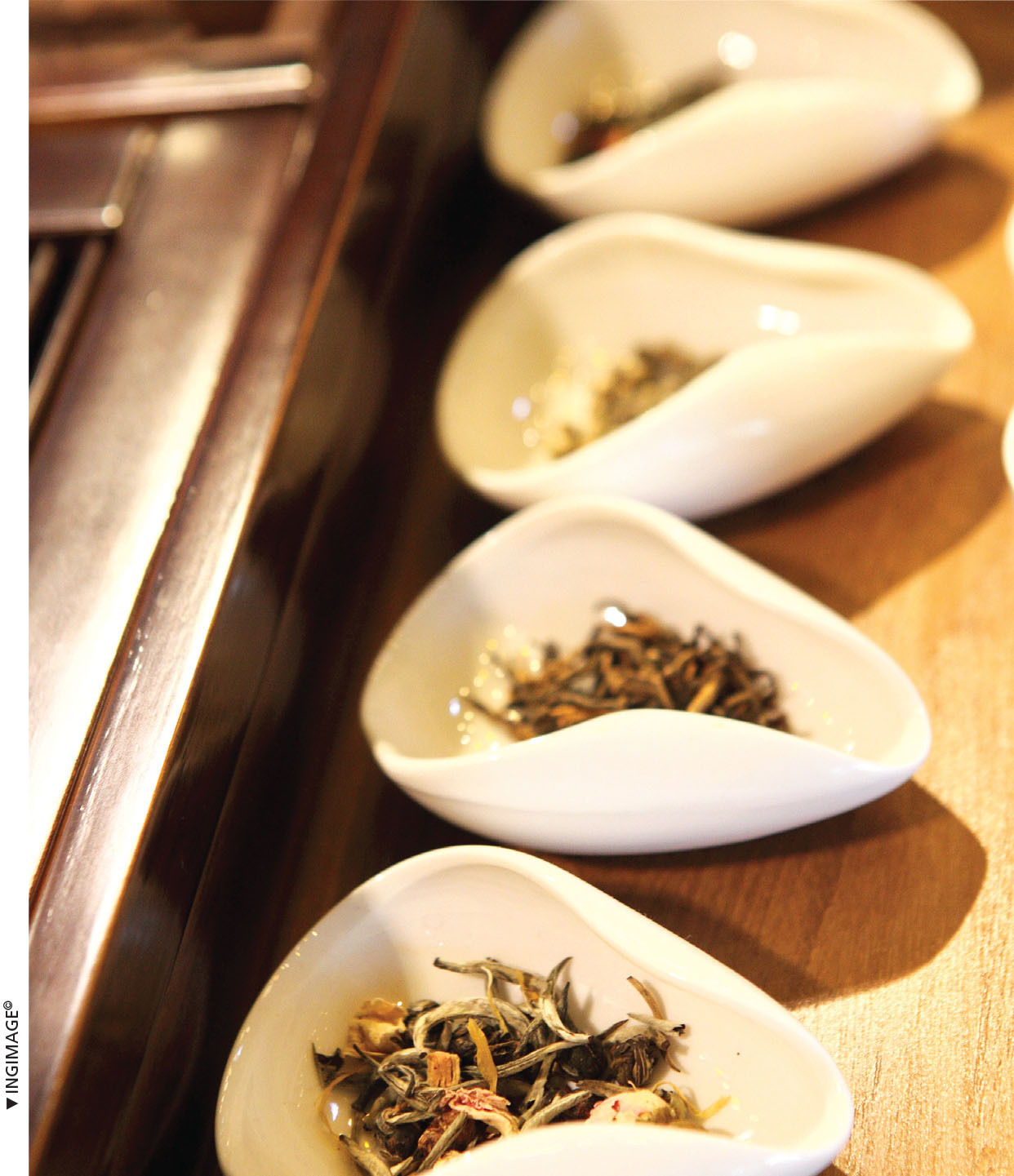
Our tea for instance, is recognised globally for its unique qualities and provenance. It remains one of the country’s most powerful global ambassadors, underpinned by a legacy of quality, ethics and sustainability. For diaspora communities, Sri Lankan tea symbolises both heritage and responsibility while for international buyers, it represents traceability, ethical assurance and long-term reliability.
Our coconut based exports, from food and beverage products such as coconut milk, to activated carbon and fibre based solutions, are strongly aligned with sustainability and wellness trends. Sri Lanka’s coconut industry benefits from deep-rooted agricultural expertise, and growing innovation in processing and value addition.
For diaspora consumers, coconut products offer familiarity and cultural relevance while for global markets, they represent clean label, plant based and environmentally responsible alternatives. For younger diaspora audiences and global consumers alike, ESG is not optional – it is now a baseline expectation.
Brands that demonstrate tangible environmental stewardship, ethical labour practices, and social impact are far more likely to earn trust and loyalty. By embedding ESG into product development, supply chains and storytelling, Sri Lankan exporters can remain relevant to the next generation while strengthening their premium positioning in international markets.
This is why we have strategically integrated ESG considerations across our operating models and decision making – a shift in mindset that is fundamental to our future.
For us, this narrative is codified in the Hayleys Lifecode, anchored to the United Nations Sustainable Development Goals (UNSDGs). Launched as our group wide ESG blueprint in 2022, the second edition was released in 2025; it refines our strategy into six long-term commitments and a refreshed policy framework.
Crucially, the entire group is covered by this mandate with all 16 businesses aligning with the umbrella road map through their own tailored ESG frameworks. This structured approach provides assurance to our international clients that their supply chains are resilient and sustainable.
In addition, we trained over 4,500 employees under our diversity, equity and inclusion (DEI) programme. Three group companies – viz. Talawakelle Tea Estates, Horana Plantations and Hayleys Fabric – have obtained validation of their emission reduction targets from the science-based targets initiative (SBTI). This builds trust with international partners while projecting a positive, future oriented image of Sri Lankan enterprise.
The success of the Sri Lankan diaspora in international markets represents not only a vital source of remittance inflows but also intellectual and investment capital

Q: Beyond purchasing Sri Lankan products, how can Sri Lankans living abroad be encouraged to invest directly in export oriented enterprises back home – whether as investors, partners or long-term collaborators?
A: There is potential for the Sri Lankan diaspora to play a catalytic role in the supply chain ecosystem by investing in, modernising and commercialising local value chains.
By partnering with Sri Lankan agri businesses and supporting technology transfers, they can help elevate smallholder producers and SMEs into globally competitive supply networks. In doing so, we create a truly collaborative model where every link in the chain grows together.
Many Sri Lankans abroad are professionals, and investors with both the capital and expertise to support local industry. What they often need is confidence in governance, stability and opportunity.
The success of the Sri Lankan diaspora in international markets represents not only a vital source of remittance inflows but also intellectual and investment capital. By creating wealth and influence abroad, Sri Lankans overseas are uniquely positioned to reinvest in Sri Lanka’s growth story – whether through joint ventures, technology transfers or market linkages.
The goal should be to build a two-way corridor of opportunity where Sri Lankans abroad grow globally while enabling the country’s industries to evolve through their expertise and capital.
To encourage participation, Sri Lanka could establish diaspora investment windows within export zones, offering simplified procedures for co-ownership.
We welcome collaboration that brings global expertise to local innovation. When diaspora investors see that businesses operate with authentic leadership and a clear purpose, they become long-term partners in progress.
Sri Lanka would benefit from a national digital platform connecting exporters with verified diaspora buyers, investors and mentors
Q: What role can Sri Lankan entrepreneurs living on foreign soil play in mentoring local exporters – especially in the context of market access, regulatory compliance and consumer behaviour?
A: Sri Lankan entrepreneurs overseas understand the complexities of global markets, from regulatory frameworks to evolving consumer preferences. They can bridge the knowledge gap by mentoring exporters at home, helping them meet the high certification standards required for premium positioning.
Moreover, there is a notable number of Sri Lankan talent overseas in entrepreneurship roles who have the expertise in science and technology, which can be pivotal in consulting, advising and also investing in new product and service areas where Sri Lanka can build a competitive advantage.
Mentorship can be institutionalised through public-private partnerships, where chambers of commerce, export associations and diaspora networks jointly create structured mentorship programmes.
These initiatives would enable local exporters to gain market insights directly from Sri Lankan success stories abroad.

Q: Looking ahead, what concrete steps should Sri Lanka take over the next five years to meaningfully increase export earnings by tapping into diaspora linked markets more strategically and systematically?
A: Sri Lanka would benefit from a national digital platform connecting exporters with verified diaspora buyers, investors and mentors.
Consistent, evidence based policy is equally critical. This includes macroeconomic stability, predictable tax frameworks and proactive trade diplomacy, to address tariff and non-tariff barriers.
A particularly impactful step would be the creation of a formal non-resident Sri Lankan category, similar to India’s non-resident Indian (NRI) framework.
Such a mechanism could provide dedicated pathways for overseas Sri Lankans to start businesses, open bank deposits, invest in equity and private markets, and participate in land transactions with clarity and ease. This would significantly improve capital mobility, reduce friction and strengthen long-term engagement with the economy.
Q: And what mindset shift is required among Sri Lankan exporters to succeed in an increasingly competitive and quality driven international trade environment?
A: Competing globally requires a mindset anchored in innovation, quality and long-term relationships rather than short-term price advantages. Resilience comes from understanding that every international buyer seeks reliability, uninterrupted supply chains and ethical practices.
Companies must therefore invest in R&D, digitalisation and workforce development to stay ahead. A culture of continuous improvement would allow companies to thrive even in demanding environments.
Q: If you were to identify one change – be it policy, leadership or culture – that could fundamentally transform Sri Lanka’s export trajectory globally, what would it be and why?
A: While leadership and culture are important, exporters ultimately require a stable and predictable policy environment to invest, innovate and compete globally.
Frequent shifts in policy – often driven by political changes – create uncertainty and weaken long-term planning. Export led growth cannot thrive without confidence in the system.
There are three fundamentals that must be addressed.
First is macroeconomic stability, which underpins investor confidence and cost competitiveness. Second is policy consistency, particularly in relation to export incentives.
For example, exporters who were once supported through BOI frameworks and preferential tax structures have seen these advantages withdrawn or diluted over time, eroding trust and viability of long-term investments.
Third is access to purpose built industrial land, which remains a critical constraint for export oriented manufacturing and expansion.
Thereafter, foreign direct investments (FDI) will follow naturally. In parallel, exporters should be encouraged and differentiated, based on their performance in ESG, innovation and inclusivity, rather than treated uniformly.
This sends a strong signal to global markets that Sri Lanka values integrity, sustainability and long-term value creation over short-term gains.
